Why Clear Aligners Are Changing Orthodontic Treatment in Scotland
The Shift Towards Discreet Orthodontics
For decades, the image of a teenager with a mouth full of metal brackets and wires defined orthodontic treatment. But the reality for many adults and older teenagers considering braces today is different. They do not want their treatment to be the first thing people notice. This is where the move towards more discreet options has gained real momentum. In Scotland, where the weather can be grey and the days short, people often feel self-conscious about their smile. The idea of wearing something that makes that insecurity worse for two years is a hard sell. That is why many practices, including those like Scottish Orthodontics, have seen a steady rise in interest for alternatives that offer subtlety without compromising on results.
How Clear Aligners Differ from Traditional Braces
The most obvious difference is visual. Traditional braces use metal brackets bonded to each tooth, connected by a wire that runs across the arch. They work, but they are visible. Clear aligners, on the other hand, are made from a transparent or tooth-coloured material. They fit over the teeth like a thin shell and are changed every few weeks as the teeth shift. The system relies on a series of precision-manufactured trays that apply controlled forces to specific teeth. Because the material is clear, they blend with the natural enamel much better than ceramic brackets or metal wires ever could.
But the differences are not only cosmetic. The treatment planning for clear aligners often uses advanced 3D scanning and computer modelling. Instead of taking messy impressions with putty, the orthodontist scans the teeth and creates a digital model. This model is used to map out the entire movement sequence before the first aligner is even made. That level of planning means the patient can see a simulation of their final result before treatment begins. It also reduces the number of emergency appointments because the forces are more predictable.
Comfort and Lifestyle Considerations
Comfort is another area where clear aligners have an edge. Traditional braces can cause irritation from protruding wires and brackets. The brackets can also trap food, making oral hygiene a constant battle. Clear aligners are smooth and fit snugly over the teeth. There are no sharp edges to poke the cheeks or lips. This makes them much more comfortable for daily wear, especially for people who play sports or play musical instruments. The aligners are also removable, which is a double-edged sword. You can take them out for eating and cleaning, which makes brushing and flossing much easier. But that also means you have to be disciplined about wearing them for the prescribed 20 to 22 hours a day. Miss that window and the treatment timeline stretches.

Who Benefits Most from This Approach
Clear aligners are not a one-size-fits-all solution. They work best for mild to moderate crowding, spacing issues, and some bite problems. For very complex cases, such as severe rotations or large discrepancies between the upper and lower jaws, traditional braces or a combination of appliances might still be necessary. But for the majority of adult patients seeking a straighter smile, clear aligners cover most needs without the aesthetic drawbacks.
Professionals in client-facing roles often find clear aligners a practical choice. A teacher, a salesperson, or a healthcare worker who speaks to people all day does not want to feel like their appearance is under scrutiny. The discreet nature of the aligners allows them to undergo treatment without drawing attention. Younger patients also benefit from the reduced social anxiety, especially in the teenage years when self-consciousness is at its peak.
The Role of Compliance in Success
It is important to be honest about the responsibility involved. With traditional braces, the appliance is fixed in place. You cannot take them off even if you want to. With clear aligners, the patient is an active participant. If you forget to wear them for a few hours, the teeth can drift back slightly and the next aligner may not fit. That means more visits to the orthodontist and a longer overall treatment time. The practices that offer this system, including clear aligners Scottish Orthodontics, spend time educating patients on this commitment before starting. It is not a passive treatment. But for those who follow the protocol, the results are often faster than traditional braces, sometimes as short as six to twelve months for minor corrections.
Comparing Costs and Value
Cost is a factor that varies by location and complexity. In general, clear aligners are priced competitively with high-end ceramic braces. The upfront cost may seem higher, but the reduced number of adjustment appointments can offset that. With traditional braces, you visit the orthodontist every four to eight weeks for tightening or adjustments. With clear aligners, you typically receive a series of aligners at once and only return for progress checks every six to eight weeks. That means less time off work and fewer travel expenses.
For patients in Scotland, where travel to appointments can involve long drives or public transport, this convenience is a real plus. Practices like clear aligners Scottish Orthodontics have invested in the digital workflow that makes this possible. They use intraoral scanners and proprietary software to design the aligners, which are then manufactured to precise specifications. The result is a treatment that feels modern and efficient.

Maintenance and Oral Health During Treatment
Oral hygiene is simpler with clear aligners because you remove them to brush and floss. There is no need for special floss threaders or interdental brushes to navigate around brackets. You simply clean your teeth as normal, then rinse the aligners and pop them back in. This reduces the risk of white spot lesions, which are common around brackets when plaque accumulates. However, it is not a licence to slack off. If you eat or drink anything other than water with the aligners in, you risk staining them or trapping sugar against the enamel. Most orthodontists recommend removing them before any meal or sugary drink.
The aligners themselves need to be cleaned daily with a soft brush and mild soap. Harsh toothpastes can scratch the clear material, making them cloudy over time. A cloudy aligner is less discreet, which defeats the purpose. So a gentle cleaning routine is essential to keep them clear throughout the treatment period.
Psychological Impact of a Discreet Treatment
There is a psychological dimension to orthodontic treatment that is often overlooked. When a person feels their braces make them look younger or less professional, it can affect their confidence in social and work settings. Clear aligners remove that barrier. Patients report feeling more willing to smile and speak during treatment, which actually helps them adapt to their changing bite faster. The ability to see the straightening progress without the visual clutter of metal brackets also keeps motivation high. Each new aligner feels like a step closer to the finish line.
What to Look for in a Provider
Not every orthodontist offers clear aligners, and the quality of the system varies by brand. When researching a provider, look for experience with the specific system they use. Ask about the number of cases they have completed and whether they use 3D scanning or traditional impressions. A practice that invests in the digital workflow is likely to deliver more predictable results. It is also worth asking about the retainer phase after treatment. As with any orthodontic correction, the teeth will try to move back if not retained. A good provider will include a retention plan, often with a set of clear retainers to maintain the new position.
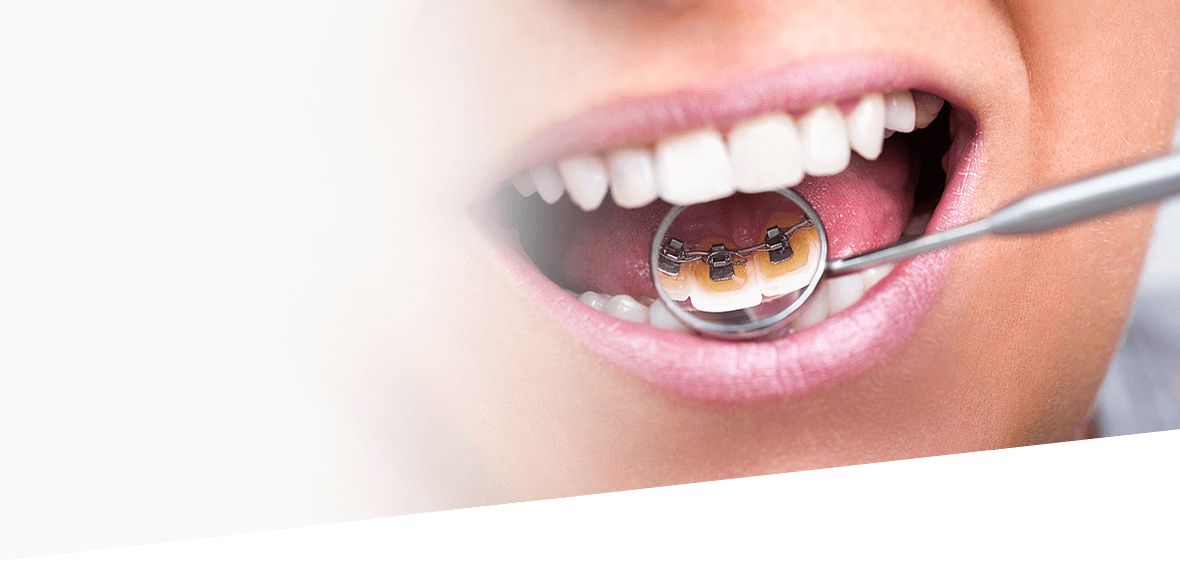
For those in Scotland, the availability of clear aligners Scottish Orthodontics means there is a local option that understands the specific needs of the community. The practice offers a free initial consultation where you can discuss your goals, see a simulation of your potential results, and decide if the commitment fits your lifestyle. It is a low-pressure way to explore whether this approach is right for you.
Clear aligners represent a genuine evolution in orthodontic care, not just a cosmetic gimmick. They combine digital precision with patient comfort, and they address the aesthetic concerns that deter many adults from seeking treatment. If you have been putting off straightening your teeth because you do not want to look like you are wearing braces, this might be the answer. The technology is proven, the results are visible, and the process is far more pleasant than the old metal-and-wire approach. It is worth a conversation with a qualified orthodontist to see if your case qualifies.
 Facebook
 Instagram